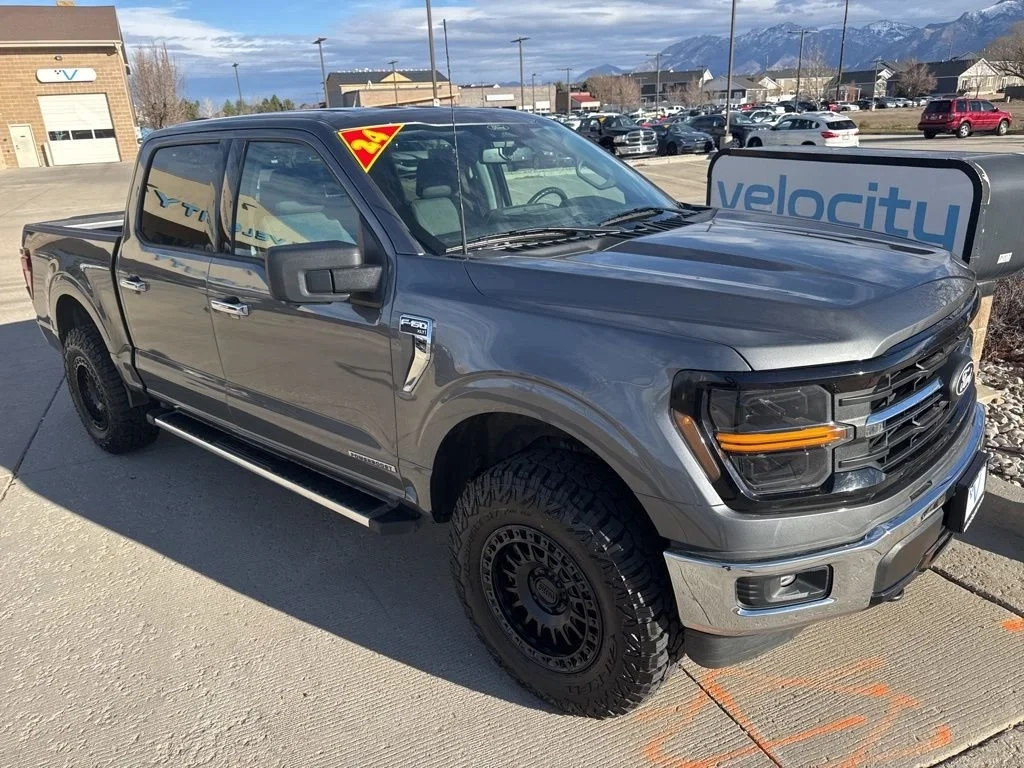

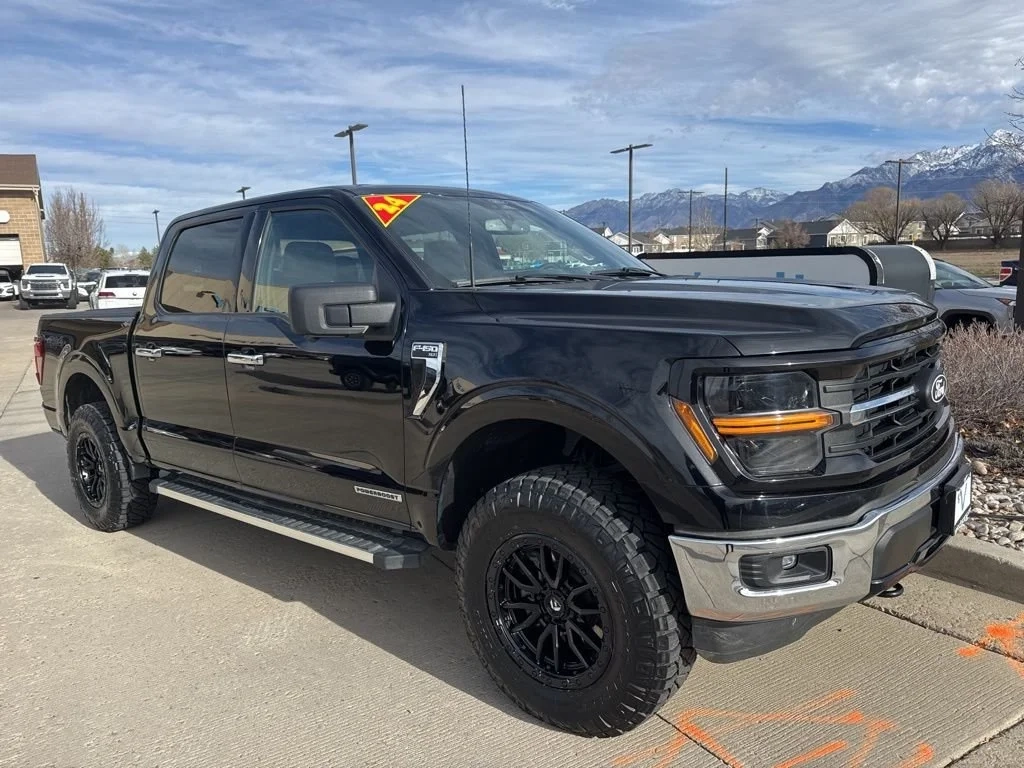
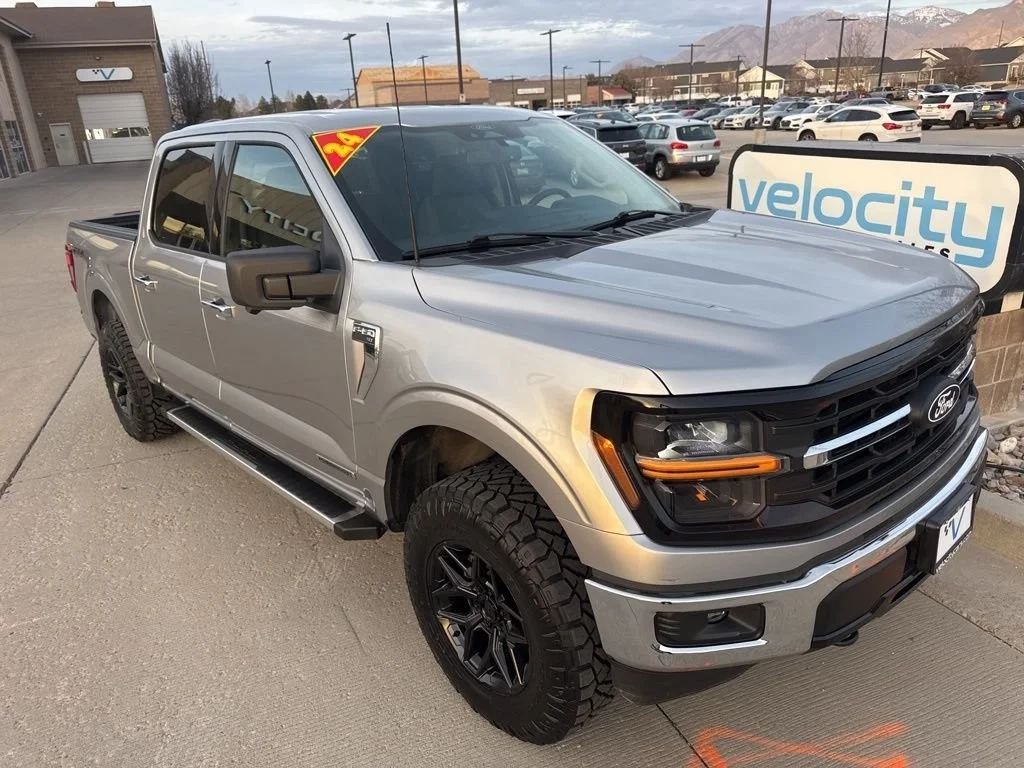
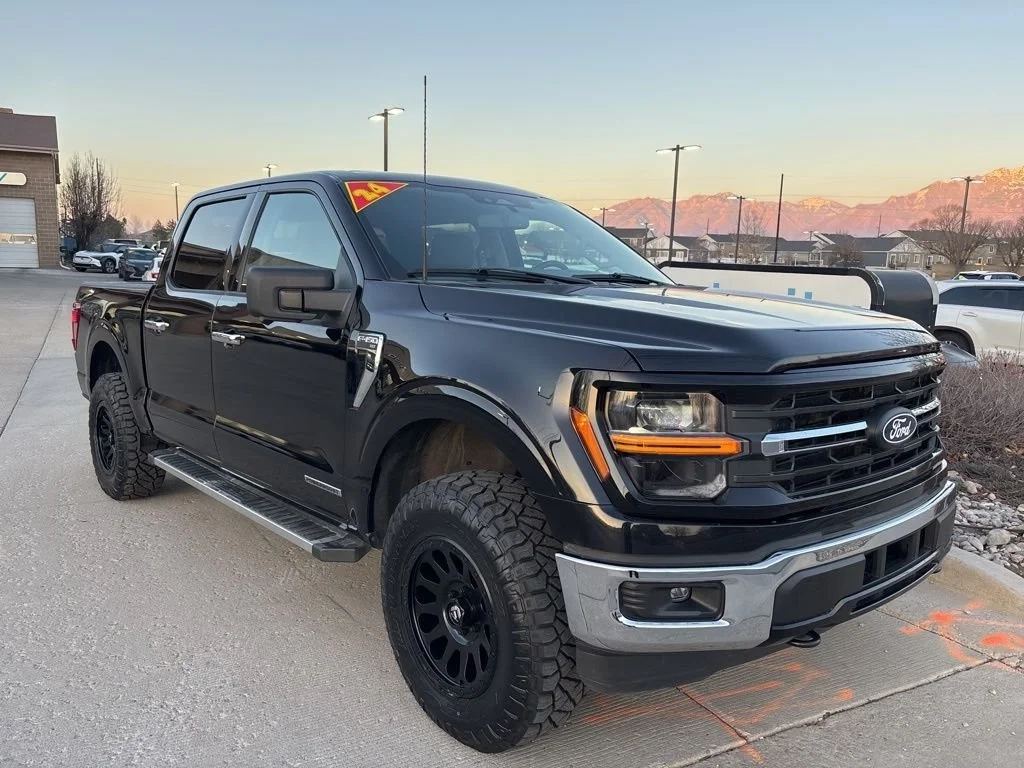
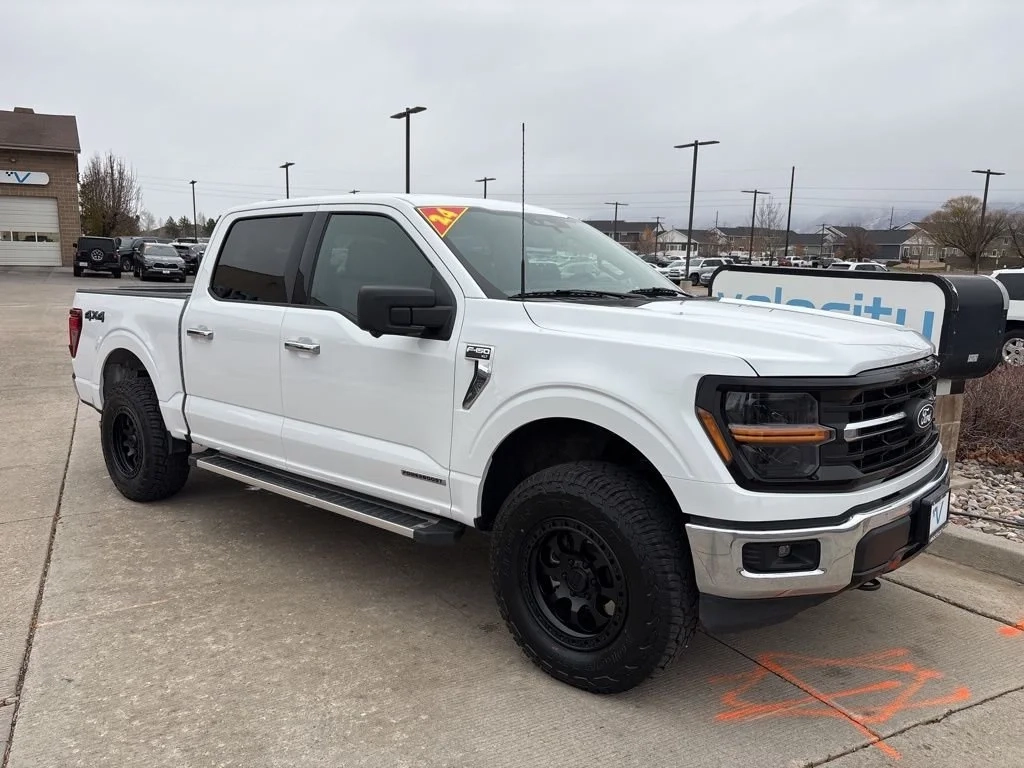
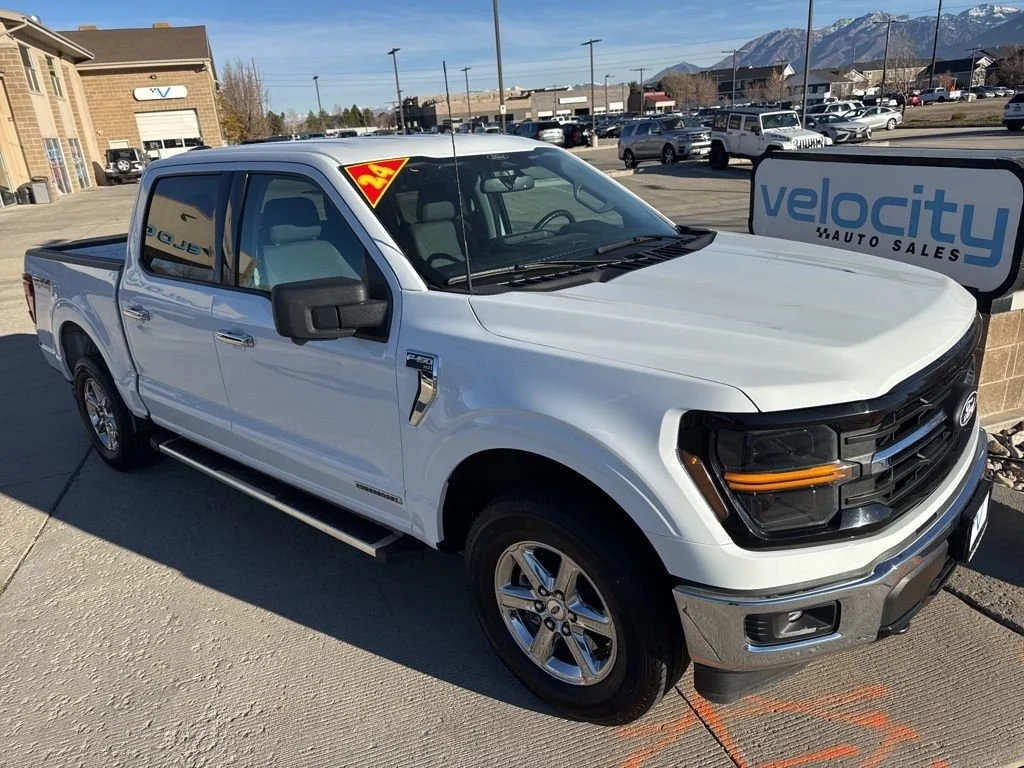
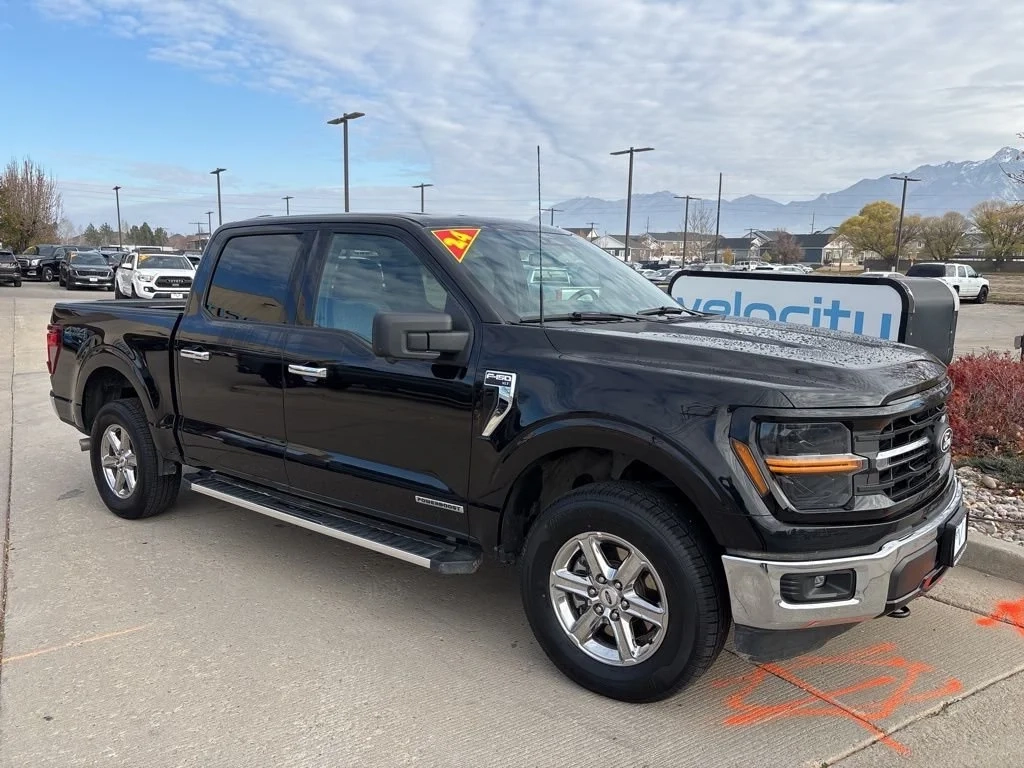
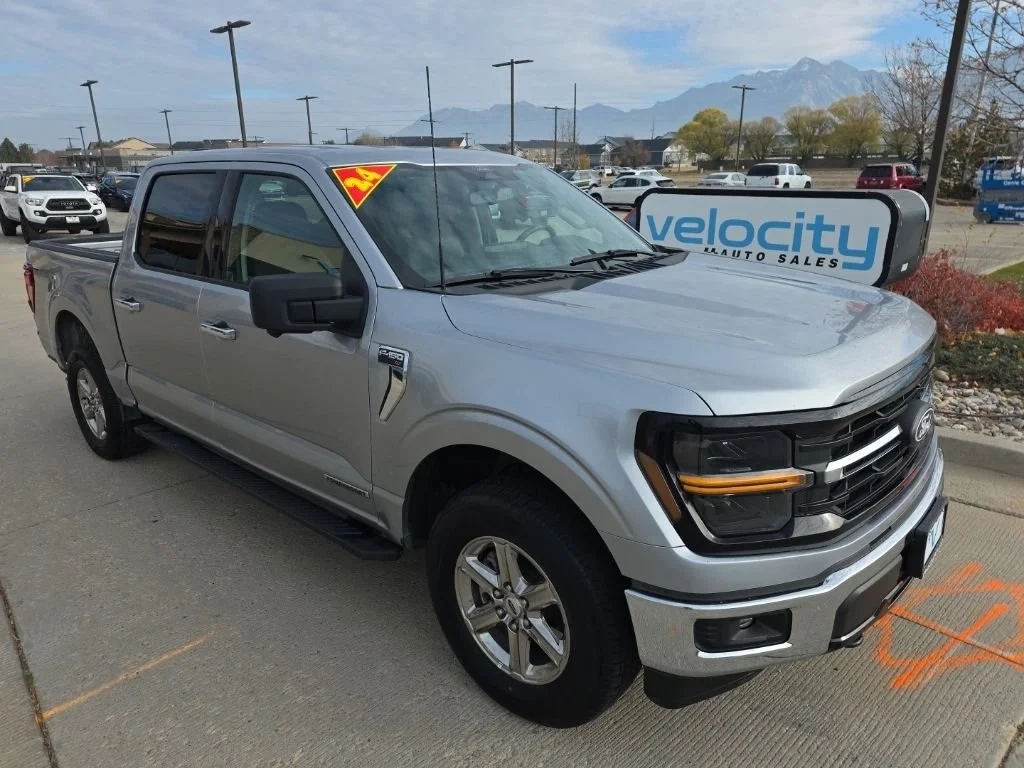
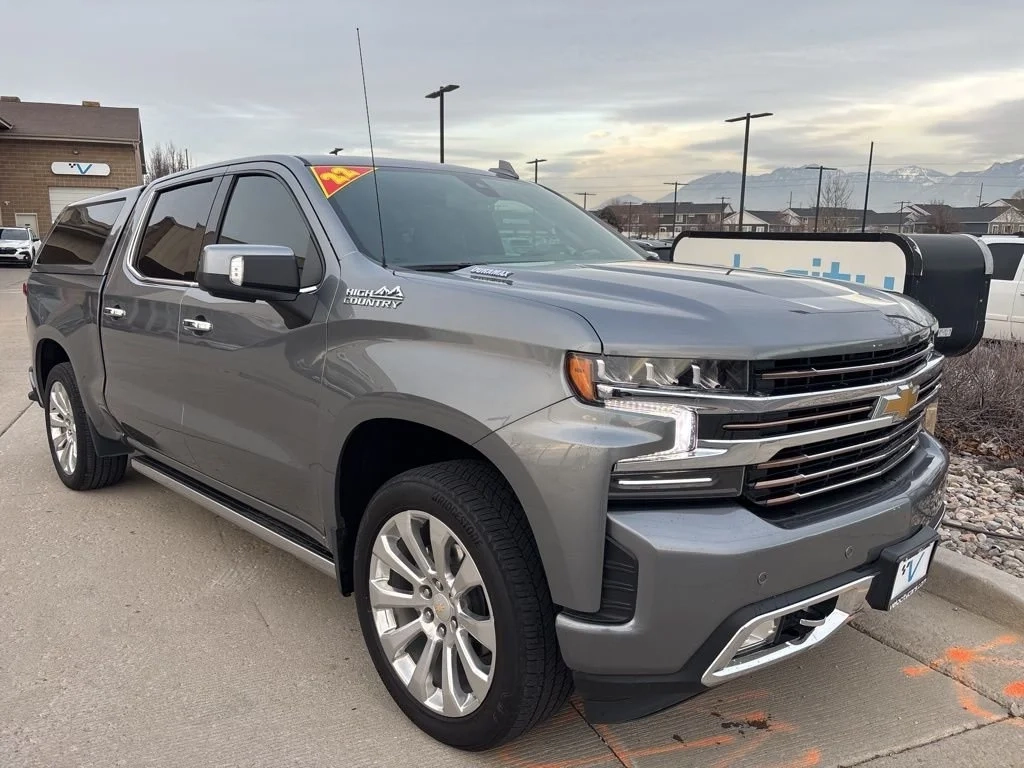
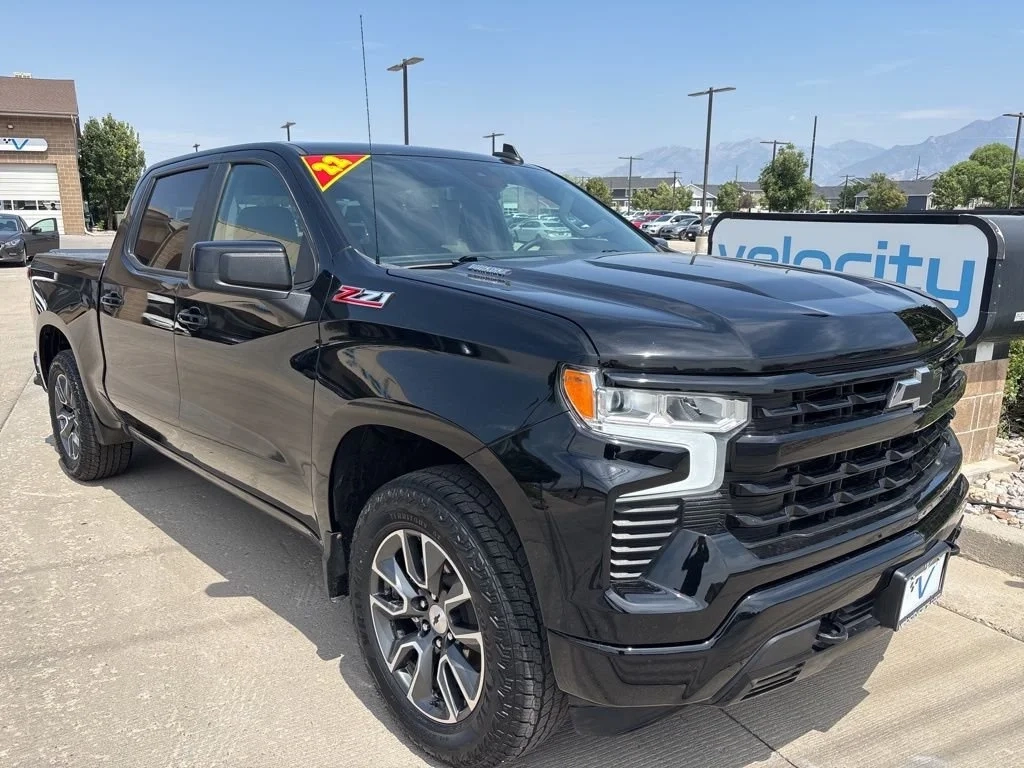
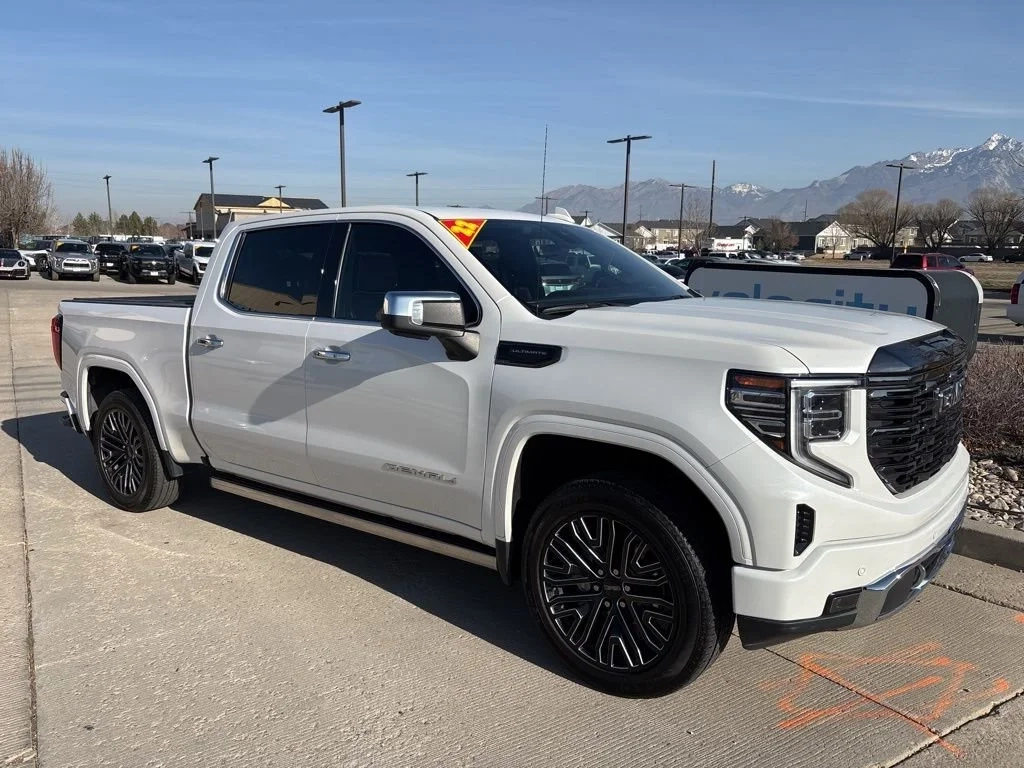
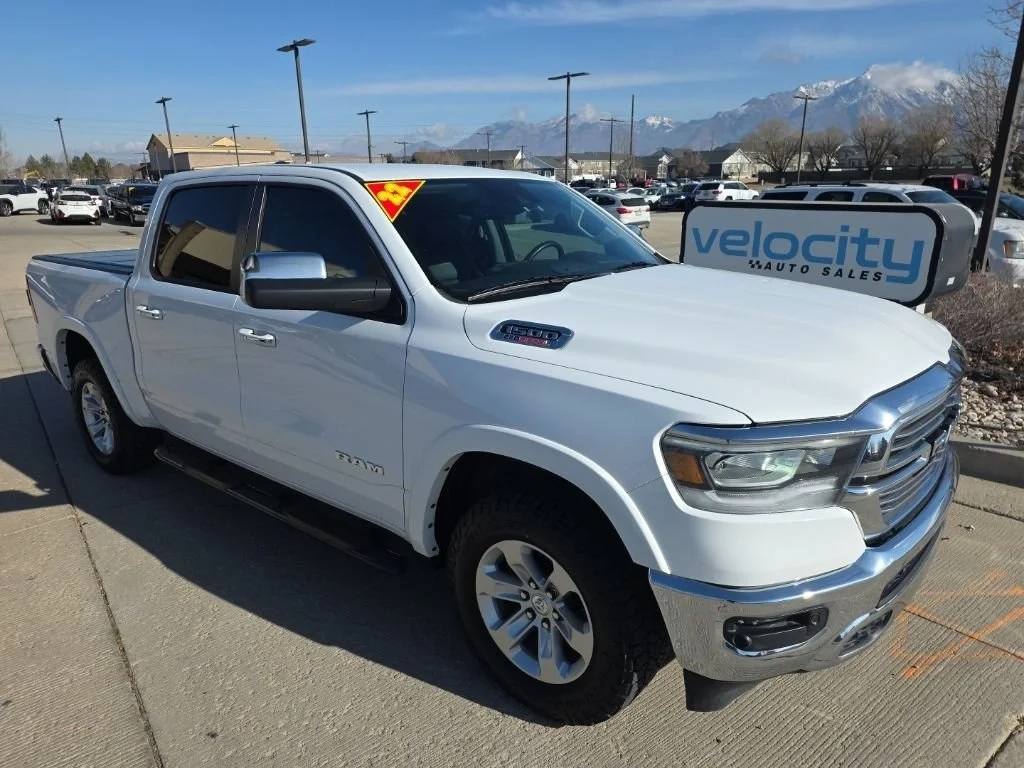
Average price:$39,068
Average mileage:45,874 mi
Typical price range:$26,995.00 – $46,995.00
Days on lot (avg): days
A truck is a bad starting point for efficiency. Weight, aerodynamics, gearing. All working against you.
So when you say “fuel-efficient truck,” what you really mean is “least bad option that still does truck things.”
That’s the frame. Everything else sits inside it.
This is the one that actually makes sense for daily driving.
Pros
Real-world 20–23 mpg if you drive it normally. Not brochure numbers. Seen it on multiple trucks running I-80 between Omaha and Lincoln.
Strong torque at low RPM. Doesn’t feel weak like older V6 trucks.
Lighter engine than the 5.0 V8. That helps with front-end wear and handling.
Cons
Turbo engine. That means long-term complexity. More heat, more pressure, more parts.
Direct injection + turbo means carbon buildup over time. You won’t see it at 60k miles. You will at 120k+.
Maintenance matters more. Skip oil changes and it shows faster than a naturally aspirated engine.
Example: 2018 Ford F-150 2.7L, 105k miles. Good maintenance history, runs clean, averages 21 mpg. Same truck without records? Risk jumps immediately.
People think this is “fuel efficient.” It isn’t unless driven lightly.
Pros
Strong. Feels like a diesel without the noise.
Highway mpg can touch 20–22 if unloaded.
Cons
City driving drops it hard. 16–18 mpg is common.
Same turbo complexity as the 2.7, just more of it.
More stress on components when towing. That’s what it’s built for, but it adds wear.
Real situation: contractor uses a 3.5 EcoBoost as a daily. Short trips, stop-and-go. Ends up averaging 17 mpg. Could’ve had the same result with a V8 and less complexity.
This engine replaced smaller V6 options.
Pros
Decent torque. Doesn’t feel underpowered.
Highway mpg around 20–22 is achievable.
Cons
Engine works hard. It’s a small turbo pushing a full-size truck.
Long-term durability still questioned by buyers. That affects resale.
Not much real-world advantage over the Ford 2.7.
Example: 2021 Chevrolet Silverado 1500 2.7T, 60k miles. Owner reports 19–20 mpg average. Not bad, not impressive.
This is the “cheap entry” engine in Ram trucks.
Pros
Simpler than turbo setups. Naturally aspirated.
Lower upfront cost in used market.
Cons
Power is average. Feels strained with weight or highway passing.
Fuel economy isn’t much better than V8s. 18–20 mpg real-world.
You give up capability without gaining much efficiency.
Example: 2019 Ram 1500 V6, 85k miles. Owner expected savings over HEMI. Ends up with 2 mpg difference. Not worth the trade.
This gets labeled “efficient” because it’s smaller. That’s misleading.
Pros
Reliable drivetrain. Holds value better than anything else in this category.
Cons
18–21 mpg is typical. Same as full-size trucks with better power.
Transmission hunts gears. That hurts real-world efficiency.
Feels underpowered at highway speeds.
Example: 2017 Toyota Tacoma, 95k miles. Owner drives mostly highway, averages 19 mpg. Could’ve had a larger truck with the same fuel cost and more capability.
This is one of the few that delivers real mpg gains.
Pros
25–30 mpg highway. That’s real. Not theory.
Strong torque. Good for towing and daily use.
Cons
Diesel maintenance costs. Injectors, emissions system, DEF.
Short trips hurt diesel systems. Nebraska winters make that worse.
Repair bills are higher. No way around it.
Example: 2018 Chevrolet Colorado diesel, 110k miles. Great mpg. Then emissions issue hits. $3,000+ repair. Savings disappear fast.
This isn’t fuel-efficient. It’s just cheap to buy.
Pros
Low purchase price. That’s the only real advantage here.
Cons
15–18 mpg. No improvement over bigger trucks.
Outdated drivetrain doesn’t help efficiency.
Example: 2016 Nissan Frontier, 100k miles. Owner bought it cheap, spends more on fuel than expected. Still keeps it because entry cost was low.
driving habits
Aggressive acceleration kills mpg faster than engine type differences.
tire choice
All-terrain tires drop mpg by 1–3. Seen it consistently.
gear ratio
Lower gears (3.73, 4.10) improve towing, hurt fuel economy.
weight
Toolboxes, lifts, oversized tires. Every add-on costs fuel.
They expect car-level mpg from a truck. Not happening.
They compare EPA numbers instead of real-world driving.
They ignore total cost. Saving 2 mpg doesn’t offset a $3,000 repair later.
They buy underpowered engines thinking they’ll save fuel. Then drive them harder, canceling the benefit.
Customer trades a V8 truck for a “fuel-efficient” V6.
Claims they’ll save money.
Six months later, reports maybe $40–$60/month in fuel savings.
But gave up power, comfort, and sometimes paid more upfront.
That trade rarely makes sense when you actually run the numbers.
Fuel-efficient trucks exist in a narrow range.
Ford 2.7 EcoBoost and small diesels lead it. Everything else clusters close together.
You’re not getting dramatic savings. You’re shaving the edges while still paying truck-level fuel costs.
Our Nebraska team knows Fuel efficient daily driver trucks inside out. Call, text, or email — we’ll get you an answer today.