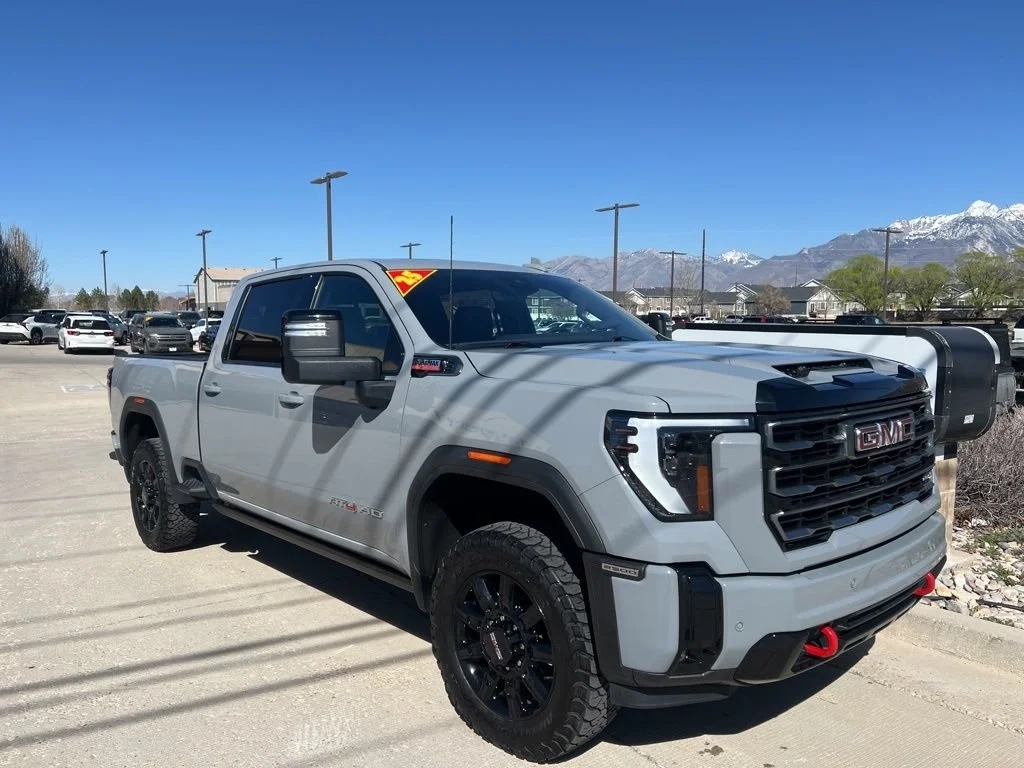



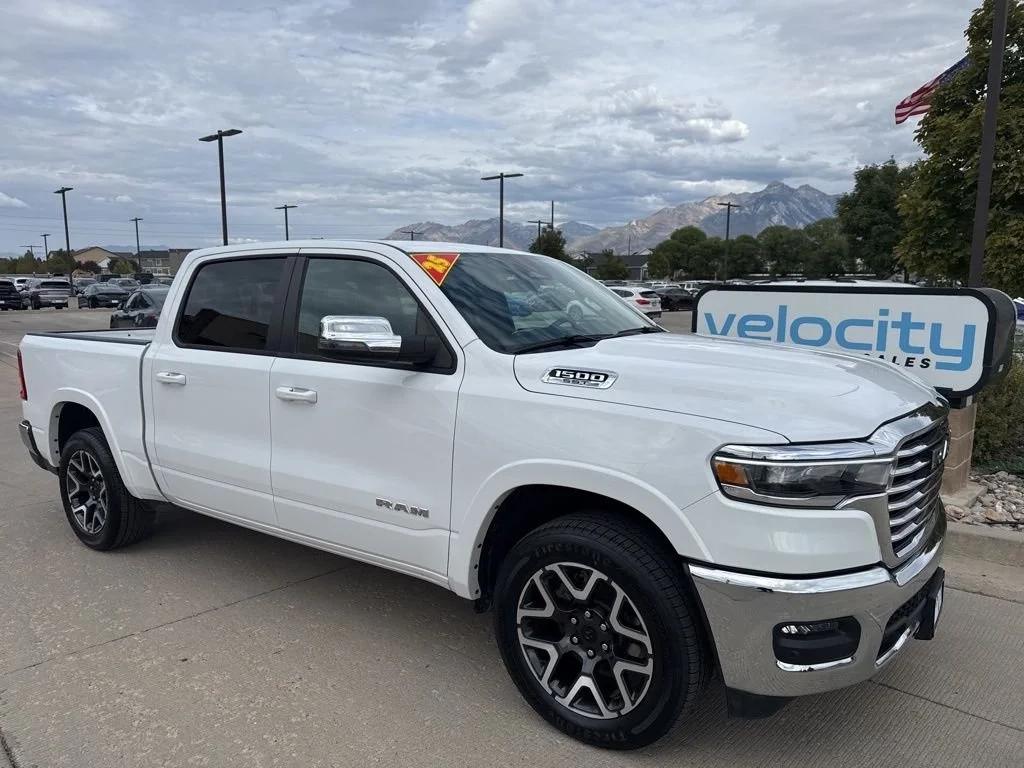

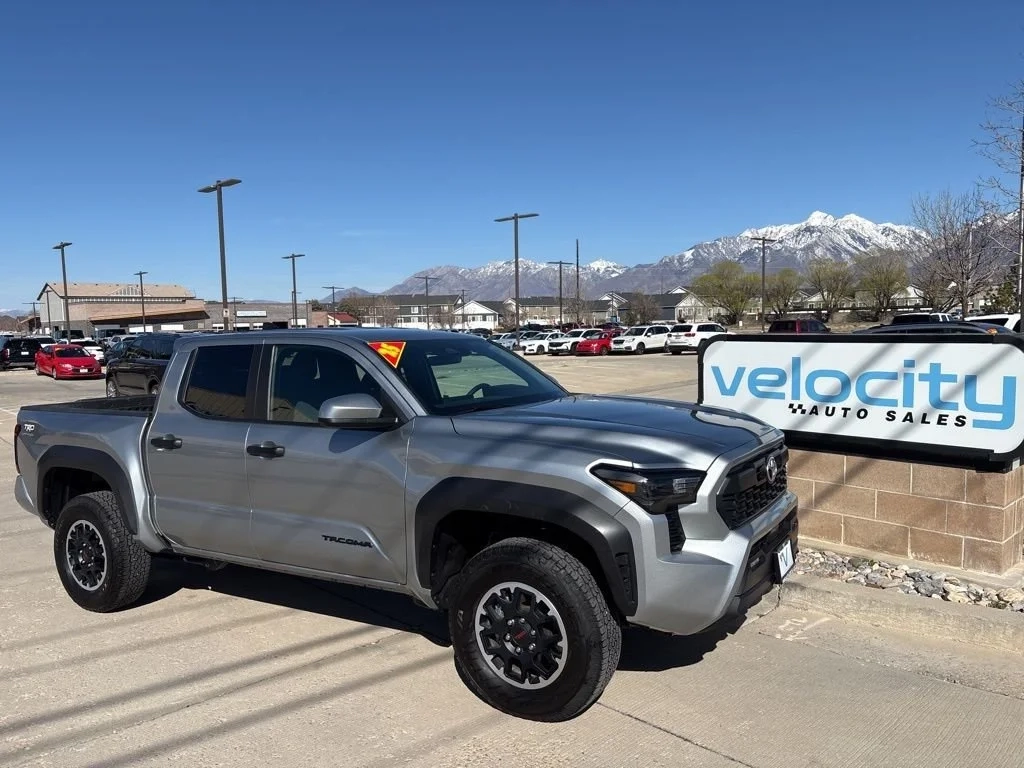
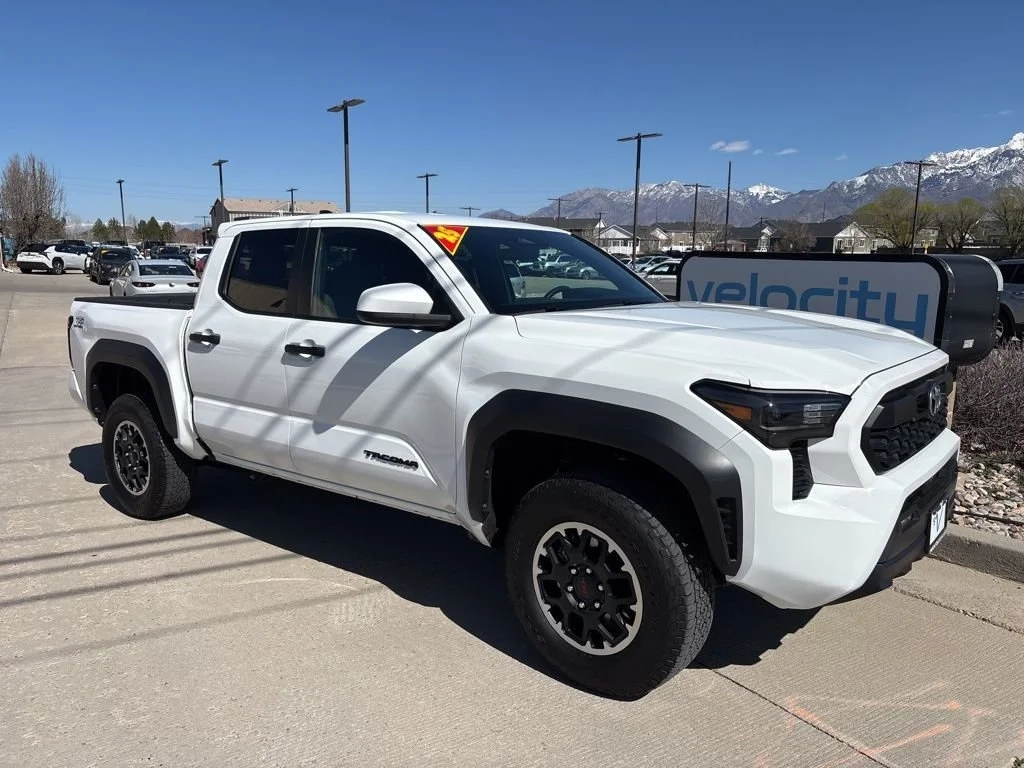
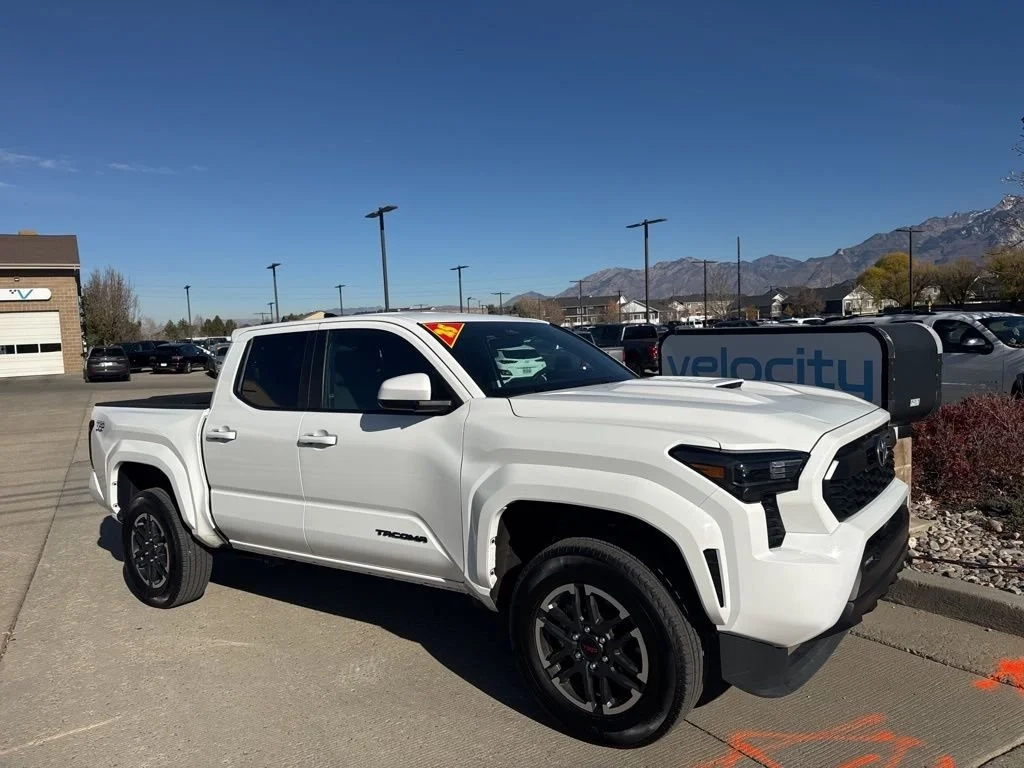
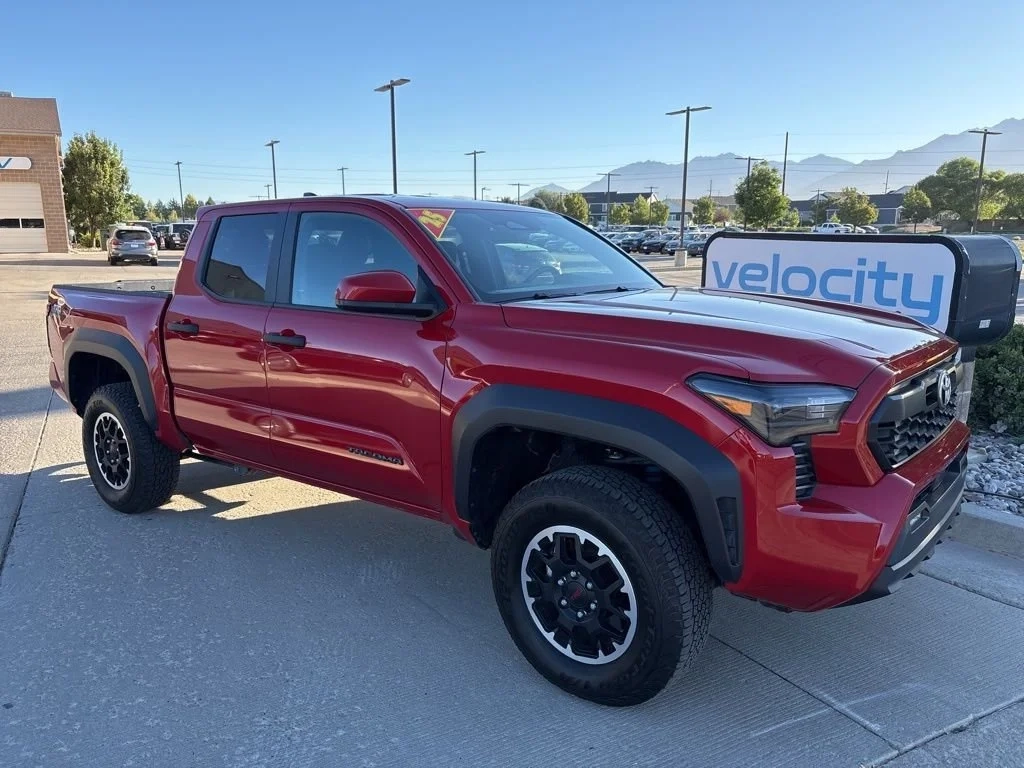
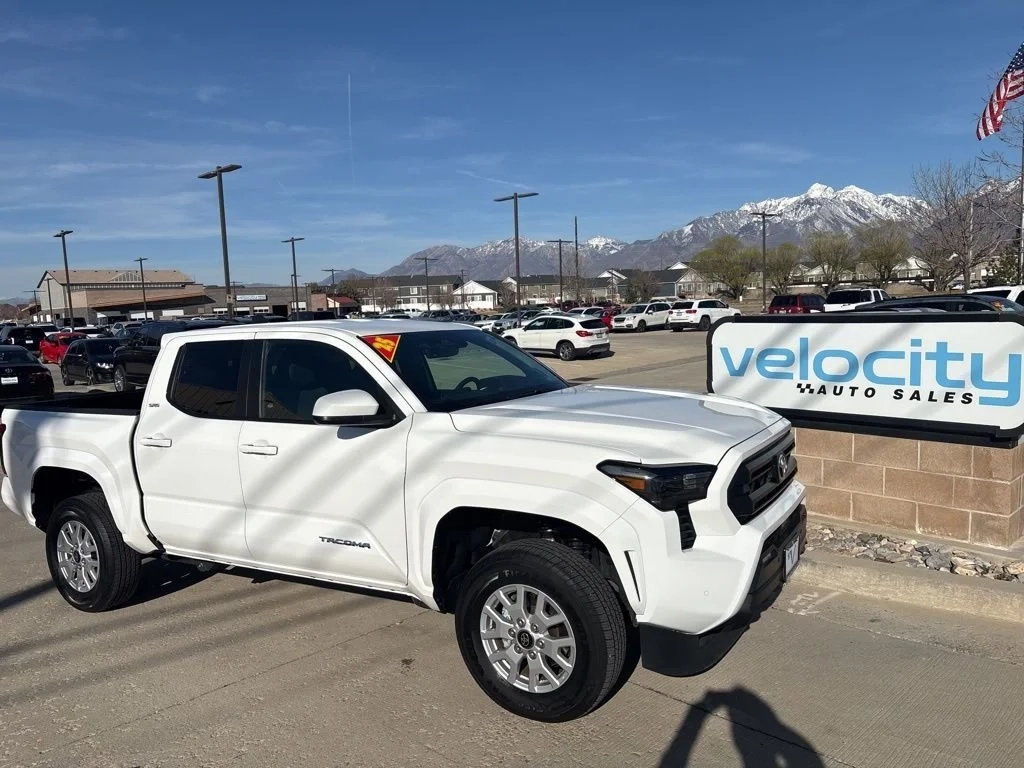
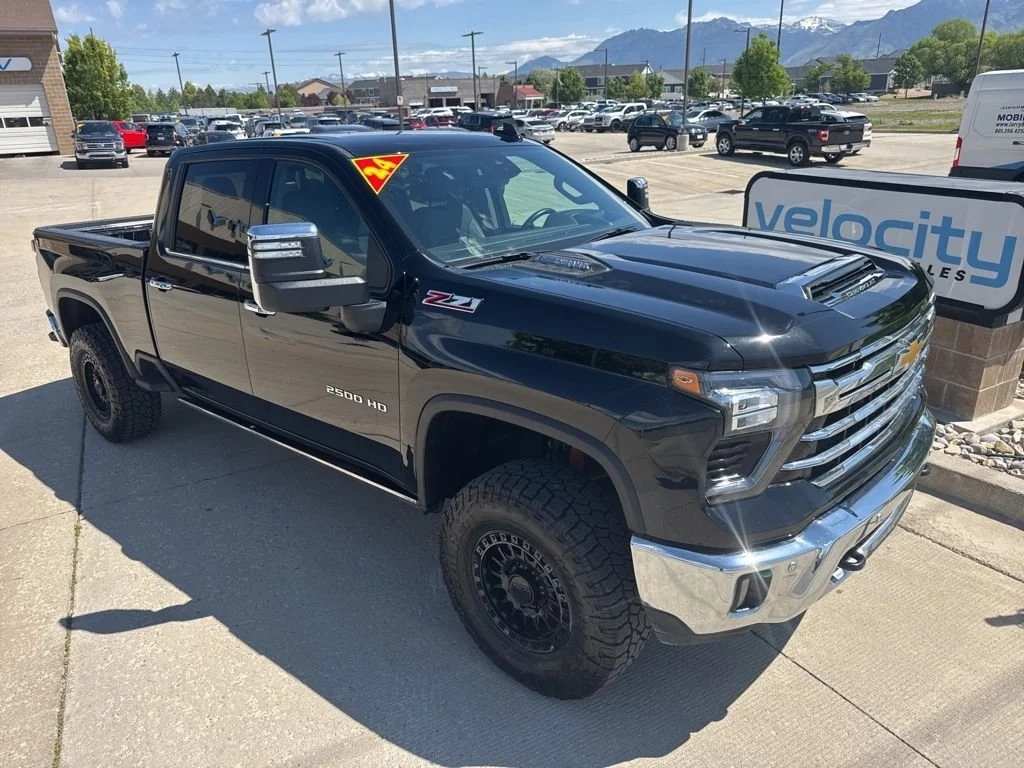
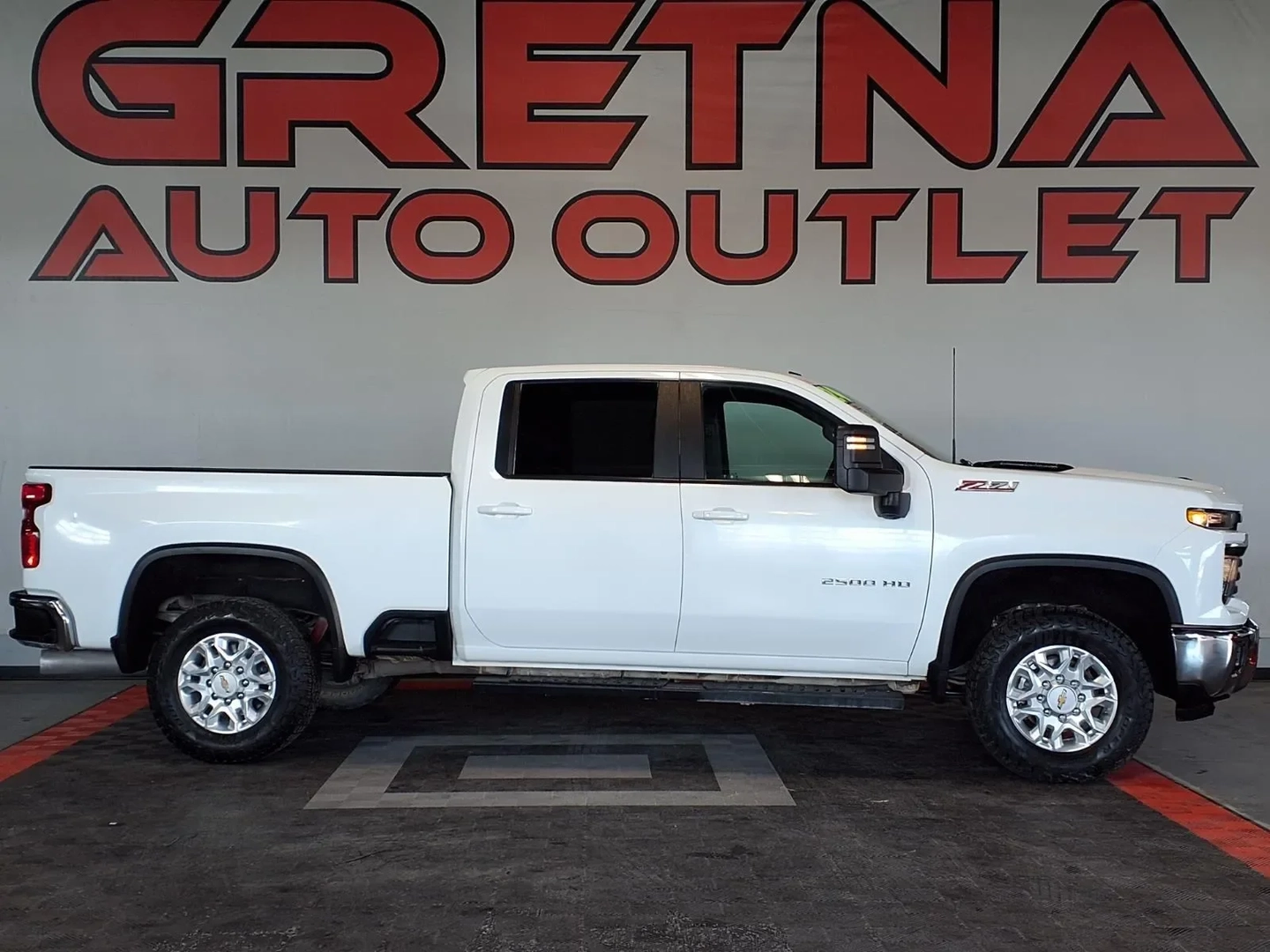
Average price:$37,571
Average mileage:44,550 mi
Typical price range:$21,988.00 – $73,995.00
Days on lot (avg): days
“Work ready” in Nebraska usually means one of three things: service body, flatbed, or contractor setup with racks and tool storage. It does not mean clean. It does not mean lightly used. It means the truck made someone money.
Most of what you’ll see on lots around Omaha, Grand Island, and North Platte are ¾-ton and one-ton trucks from 2012–2019 with 110,000–220,000 miles. If the miles scare you, you don’t understand fleet use. Highway miles with maintenance logs are fine. Short-trip abuse with no records is not.
Now we break it down by platform and setup.
This is the blue-collar fleet motor. Simple. Durable. I’ve retailed 2015 F-250 6.2L service trucks with 180,000 miles that still ran tight.
Pros:
Cons:
If you’re hauling tools and ladders, gas is fine. If you’re dragging skid steers across Lincoln daily, it’s the wrong engine.
Serious torque. Better for towing equipment. A 2014 F-350 6.7 with a Reading service body in Kearney recently wholesaled at $24,500 with 162k miles. That’s the market.
Pros:
Cons:
A diesel work truck that idled all day every day can have emissions problems. That’s reality.
Common in contractor fleets around Omaha.
Pros:
Cons:
Fine for electricians and plumbers. Not ideal for constant max-weight towing.
Torque is real. Ranchers and oilfield contractors like them.
Pros:
Cons:
I appraised a 2016 Ram 3500 flatbed near Scottsbluff. 198k miles. Cummins ran great. Front end was loose enough you could feel it in the steering wheel at 45 mph. Needed $2,000 in parts. That cost comes out of value.
Workhorse engine. You see these everywhere in municipal fleets.
Pros:
Cons:
Purchase range is usually $15,000–$23,000 depending on body and miles.
More expensive. Smoother ride.
Pros:
Cons:
If it’s been plowing snow in Omaha winters, check the frame and front suspension carefully.
Steel utility bodies like Reading, Knapheide, and CM are common.
Pros:
Cons:
A 2015 F-250 with a rusty Knapheide body can lose $3,000 in value just from corrosion alone.
Common in western Nebraska agriculture.
Pros:
Cons:
Flatbeds usually signal livestock, hay, or equipment use. That means dirt, towing, and heavy loads.
Ladder racks add utility. They also add wind drag and noise. Check welds and mounting points.
Aftermarket toolboxes are fine if mounted correctly. I’ve seen bed rails crushed from bad installs.
Inverters and auxiliary batteries are useful but often wired wrong. Look for clean fuse blocks and heavy-gauge wiring. Sloppy electrical work creates charging issues later.
Most work-ready trucks in Nebraska sit between 130,000 and 220,000 miles. That’s normal. What matters is maintenance records.
Oil changes every 5,000–7,500 miles. Transmission service around 60,000-mile intervals. Differential fluid changes. If there’s no paperwork, assume average care, not excellent care.
High idle hours matter more than odometer miles on diesel trucks. A truck with 140k miles and 6,000 idle hours worked harder than one with 180k highway miles.
Gas ¾-ton service truck, 150k miles: $15,000–$20,000.
Diesel ¾-ton service truck, 160k miles: $22,000–$35,000.
One-ton diesel flatbed under 170k miles: often $28,000–$40,000 depending on condition.
Anything under $12,000 is either very high mileage, rough condition, or both.
It means worn seats. Scratched dashboards. Dents in tailgates. It means suspension components that have carried weight daily.
It also means the truck has proven it can handle work. That’s not bad. It’s just not glamorous.
If you expect a smooth-riding, quiet daily driver, a work-ready truck will disappoint you. If you expect a tool that’s already been earning its keep, this is the category.
The trade-off is simple. Lower cosmetic appeal and higher wear in exchange for real utility and usually lower upfront cost than a dressed-up retail truck.
Our Nebraska team knows Work Ready Truck trucks inside out. Call, text, or email — we’ll get you an answer today.